Ezu Plateau
Mastery of the noble fist arts is not simply a matter of training or technique, though training and technique are essential. It is not simply a matter of memorising the proverbs of the ancient masters, though there is great wisdom in their words, which only a fool would ignore. It is not simply a matter of internalising the tenets of the Law of Swords, though without them you shall surely fail.
True mastery comes from stoking the spark of the divine flame within you, to channel and contain it, to make it hot and bright and red as blood, to make it move in accordance with your will. One who has mastered their flame can strike even the gods, and make them bleed.
—an excerpt from the teachings of Pree Ogum Ten Doden, master of Belligerent Fist Style.
History
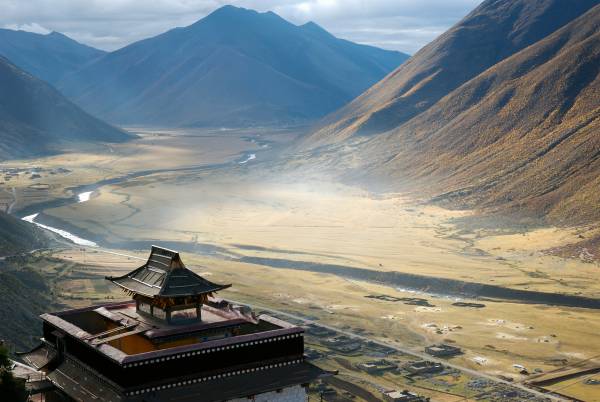
The Ezu Plateau is one of if not the oldest societies whose culture and practices were not absorbed or changed by either the ancient Tharenan Empire, or the long dead Lyrian Empire. Its relative inaccessibility and lack of tactical value lead to both empires deciding it was not worth the effort of subjugating. Located within a forbidding mountain range, it is challenging to reach for even the most experienced travellers, and next to impossible for a military force, leading to the culture of the plateau becoming highly insular. This has allowed the culture and its traditions to remain relatively unchanged for a millennium.
Governance
While the society of the Ezu Plateau is rigidly theocratic, and nominally ruled by the priest caste, in practice the work of governance is left to the servant caste, so the priests may devote their time to meditation, contemplating the divine mysteries, and communing with the gods. The servant caste works hard to administer to the needs of the people, and assure everyone is living in accordance with the laws and responsibilities of their respective castes. As it has maintained independence from its larger neighbours, and been largely inaccessible, diplomatic relations with other states are relatively minimal, and tend to be largely based in trade rather than military alliances. As a result, the merchant caste generally act as intermediaries between the servant caste and the lowlanders and perform diplomatic duties.
Society and Culture
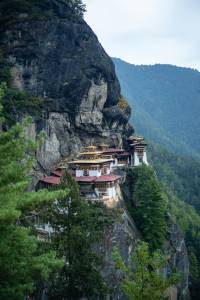
The society is divided into a fairly rigid theocratic caste system, with a priest caste symbolically at its pinnacle, though true political power is exercised primarily by the servant caste. One of the only means of “social mobility” within the caste system, aside from marrying up to get one's children into a higher caste, is the possession of high magical potential, as children identified as having strong potential are taken from their families at a young age to join the warrior caste. Of course, these children have no more say about this than they did about the caste into which they were born, and must simply accept the roles they have been assigned.
The Castes:
- Priest Caste – nominally the highest caste, their actual political power is mostly symbolic, and their actual day to day existence is entirely dedicated to religious practice. They perform religious rites and services, or focus on meditation towards enlightenment.
- Servant Caste – This caste is divided into 2 groups, divine servants, and public servants. The Divine servants perform the prestigious act of catering for the needs of the priest caste, whereas the Public servants hold the real political power, performing the day-to-day administration of the Ezu people.
- Warrior Caste – Lacking a conventional military, the warrior caste is organised through a series of temples teaching various 'fist arts' and 'weapon arts'. They are mostly drawn from those with both magical potential and an aptitude for physical activity, utilising a unique form of augmentation magic to enhance the flow of their internal energies through the body to devastating effect.
- Merchant Caste – The merchant caste operate in the wider world, trading the wares of the Plateau. Familiar with the customs of foreigners, they also tend to act as diplomatic intermediaries for the Plateau.
- Labour Caste – The caste that performs most of the actual work of keeping the plateau running. Tasks include: farming, building, mining, food preparation, crafting, forestry, animal husbandry, blacksmithing, etc.
- Menial Caste – Performing the tasks deemed too menial for even the labour caste, this caste exists primarily so that there is something with which to threaten the labour caste to avoid rebellion. Tasks include: cleaning waste, handling corpses & butchery, trash collection, laundry.
The Ezu priest caste's spiritual practices make heavy use of a rare and valuable substance known as The Divine Medium, also called ether outside the Ezu Plateau region. Said to be the very blood of the gods themselves, this substance is found almost exclusively within the various relic sites around the world, and Ezu merchants dedicate great amounts of effort to acquire sufficient quantities to keep the priest caste satiated. Legends from before the Labyrinth sank into the earth suggest it may be one of the most abundant sources of ether anywhere in the world. Claiming this resource for the priest caste and keeping it out of heathen hands is of the highest priority.
Characters from Ezu Plateau
Starting Point: The most important starting point for a character from Ezu Plateau is your caste, of which the warrior and merchant castes are the most likely to have been sent to explore the Labyrinth. If you wish to play a lower castes, why are you here? Have you come as a servant to someone from a higher caste? Have you snuck away from your homeland without the blessing of your betters? Whatever caste you pick, it is likely to have impacted every part of your life. How does your character feel about the role “the gods” have assigned them? Do they do their duty gracefully, or chafe against the restrictions placed upon them?
In the world: characters from the Ezu Plateau are likely to be viewed as somewhat strange or foreign, given their lack of Imperial influence and relatively insular homeland. That said, your character has either volunteered or been selected to venture into the wider world, so they may be more outgoing than most. Though they may be less naturally trusted than the Dolomites, they may benefit from a similar sense of political neutrality in disputes between Northern and Southern Empires.
Character Options: Characters of all species (except Slimefolk) can be from the Ezu Plateau, relatively evenly distributed amongst the castes (with no Tharenan bias towards the Dragonblooded). Wildborn are assigned a caste based on animal species, with most of the larger species assigned to the warrior caste, and smaller species assigned to the labour caste (unless they have strong enough magical potential to qualify as warriors).
Social Status has some overlap between castes, with the warrior caste having the widest range of available ranks.
While all varieties of magic are available to characters from Ezu Plateau, the warrior caste almost exclusively favours the Paths of the Mountain and River, which are integral to most of their martial art techniques.
| Status Rank | Title | Position in Society |
|---|---|---|
| 1 | Menial Caste/Labour Caste | (see Castes, Above) |
| 2 | Merchant Caste | (see Castes, Above) |
| 3 | Warrior Caste (Acolyte) | (see Castes, Above) |
| 4 | Warrior Caste (Adept) | (see Castes, Above) |
| 5 | Warrior Caste (Master)/Servant Caste (Divine) | (see Castes, Above) |
| 6 | Servant Caste (Public)/ Priest Caste | (Not available at game start) (see Castes, Above) |
| 7 | Priest Caste | (Not available at game start) (see Castes, Above) |
Naming Conventions
Names on the Ezu Plateau are constructed from a number of component parts based on caste. Each caste (except Labour and Menial) has a specific name/title which is affixed before the person's actual name. In addition, members of the warrior caste often also affix the name of the master who trained them at the end of their name by adding “Ten” (meaning “trained by”) followed by the personal name of their master, though some consider this overly formal. All names are gender neutral.
| Caste | Title | Example Name |
| Priest | Yama | Yama Hansa |
| Servant | Roshi | Roshi Daku |
| Warrior | Pree | Pree Ryo Ten Ryam |
| Merchant | Damya | Damya Ashoka |
| Labour | No Title | Temba |
| Menial | No Title | Palin |
Example Personal Names
Ashoka, Aku, Aesma, Amoto, Arat, Auvam, Akila, Anyadis, Bahu, Bezu, Badari, Barka, Doden, Daki, Durba, Hansa, Jadis, Kaon, Koss, Medsum, Metia, Mim, Maya, Nyave, Norbu, Nuri, Ogam, Omun, Ovis, Payam, Pritram, Praman, Nand, Pravi, Prim, Pryan, Ryo, Ryam, Sivram, Un, Voya, Yam, Yani, Yemmod, Yisun, Yondam, Zoss,
Clothing Styles
People from the Ezu Plateau (especially but not limited to the warrior caste) tend to dress in clothing that permits freedom of motion, either form fitting or loose and flowing. Often supplemented with a variety of outer robes, scarves, shawls, capes, and poncho like garments which obfuscate their exact movements. The freedom of movement is most essential to warriors, with merchants and servants often wearing more ornate (and less practical) garments. The quality of cloth, and amount of jewellery or other accessories worn, tends to increase as the castes go higher: simple linen for the menial and labour castes, and fine silks in the merchant and servant cast. Some warrior caste members actively choose to wear more humble clothing, though others dress in fine clothes. Warriors almost never wear armour, especially not metal, as this is against their creed.